
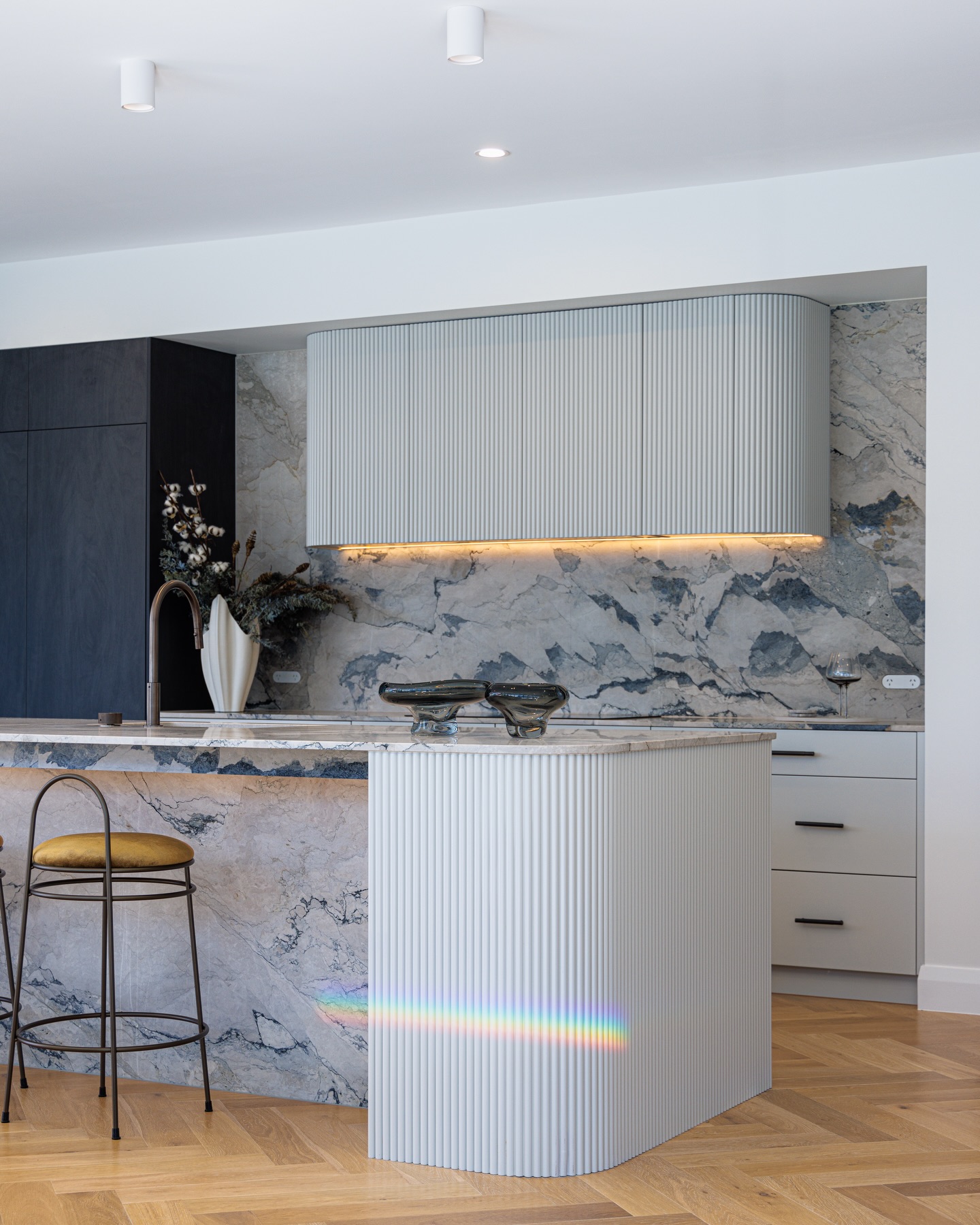
Designer, Decorator or Stylist: Which One Does Your Project Actually Need?
Why the title on someone's business card matters less than what your project actually needs
We get some version of this question in almost every first conversation we have with a new client. Someone has spent a weekend searching; they have a shortlist of names, and somewhere on that list are interior designers, decorators and stylists, all listed under the same search term, all photographed in similarly beautiful rooms. From the outside, it can look like one profession with three names for it.
It isn't. And the difference matters more than it might seem, because engaging the wrong one of the three is one of the more common ways a project loses time before it has even properly started.
So before you send that first enquiry email, here is how we think about the distinction, and how to work out which one your project actually calls for.
What an interior designer actually does
An interior designer is, at heart, concerned with how a space functions. That covers layouts and floor plans, joinery design, lighting layouts, material and finish selections, and construction documentation, all the decisions that determine whether a home actually works for the people living in it, not just how it photographs.
It is a more technical discipline than people expect. A meaningful part of the work happens before a single finish is chosen: understanding how a family moves through a kitchen at 7 am, where a home loses light in winter, why a floor plan that looks efficient on paper feels cramped in practice. That thinking then has to be translated into drawings a builder can actually construct from, which is a very different skill to selecting a beautiful sofa.
If your project involves any structural change, whether that is a full renovation, a new build, or even reconfiguring a single room, an interior designer is where you want to start. You can see the range of project types this covers, from large-scale renovations to new builds, across our practice page.
What an interior decorator actually does
An interior decorator works with what is already there. Rather than reworking layouts or structure, a decorator's focus is on the layer that sits on top of the architecture: furniture, artwork, window furnishings, rugs, lighting fixtures, the accessories and objects that turn a finished shell into a home that feels considered.
This is often the right fit for someone who has just moved into a new build with a floor plan they are happy with, or for a home whose bones already work but whose rooms have never quite come together. It's also common for interior designers to move into a decorating role once the structural work on a project is complete, which is part of where the confusion between the two titles comes from.
What an interior stylist actually does
An interior stylist is focused on presentation, and usually for a single moment rather than everyday living. That might mean styling a home for a photography shoot, dressing a display home for a builder, or preparing a property to be sold. A stylist's brief is rarely about how a family will use a space in five years; it's about how a space reads to someone walking through it, or a lens looking at it, right now.
If your home is going on the market and you want it to show at its best, or you need a space prepared for a shoot or a launch, this is the specialist you are looking for, not a designer or decorator.
A quick way to tell them apart
As a general guide, match the professional to the scope of the problem, not the aesthetic you're chasing:
- Structural change, a renovation or a new build: start with an interior designer
- A layout you're happy with that just needs furnishing and finishing: an interior decorator
- A one-off presentation, a sale or a shoot: an interior stylist
Where it gets genuinely blurry is that full-service studios often carry a project across more than one of these roles: design through construction, then through to the decorating decisions that follow it. That's how we tend to work across our own projects, from the earliest concept work through to a finished, furnished space, which is also why so many studios end up using the terms loosely on their own websites.
A few questions worth asking before you engage anyone
Whichever of the three you land on, a short conversation upfront will tell you a lot:
- Have they worked on projects similar in scope to yours?
- If structural change is involved, do they produce construction documentation, or only concept and mood boards?
- How do they describe their working relationship with builders, architects and other consultants?
The answers will usually make the right fit obvious, regardless of what title is on their website.
Save this one for whenever your own planning begins. And if you're currently weighing up structural change against a simpler refresh, that's precisely the conversation worth having before you brief anyone at all.
Start the conversation
If you are planning a renovation or build and want to talk it through sooner, get in touch with our team.