
Woollahra Interior Designer
Woollahra occupies a particular position in Sydney’s eastern suburbs, set apart from the coastal energy of Bondi and the dense urban grain of Darlinghurst by something more settled, more deliberate, and more difficult to replicate. Its tree-lined streets are predominantly Federation-era: substantial homes built when space and craft were both abundant, with generous proportions, intricate fretwork details, and the kind of quiet authority that comes from buildings designed to last.
Queen Street serves as the suburb’s unhurried cultural spine, home to antique dealers, independent galleries and neighbourhood restaurants, all an expression of Woollahra’s values rather than any appetite for novelty. At Wilbur Jones, we are drawn to exactly this kind of context: the richly layered, the architecturally grounded, the suburb where clients know precisely who they are.
For Woollahra homeowners seeking a high-end interior designer who understands both the weight of heritage and the demands of contemporary domestic life, we design interiors that genuinely engage with their surroundings, never applying a generic luxury template and always working from the specific conditions of the property, the street, and the client.
Our Woollahra Expertise
Working in Woollahra requires a particular kind of patience and material literacy. These are properties built to a standard that sets a high bar for anything added to or changed within them, and the discerning eye of the Woollahra homeowner means that any incongruity is immediately apparent.
Heritage overlays affect a significant proportion of the suburb’s housing stock and must be navigated carefully, which means we engage with council requirements and heritage consultants from the earliest stages of a project. Within those constraints, however, there is considerable scope for interiors that feel genuinely contemporary without being jarring: warm stone selections, limewash wall finishes, bespoke joinery with restrained detailing, and textiles that read as considered rather than trend-driven.
Our approach in Woollahra projects centres on listening before designing. Understanding which qualities of the existing property are worth preserving and amplifying, identifying where contemporary interventions will add the most value, and building a material palette and spatial logic that feels entirely native to both the house and its owners. The results are interiors that do not date, because they were never chasing trends to begin with.
Featured Project: Ernesta
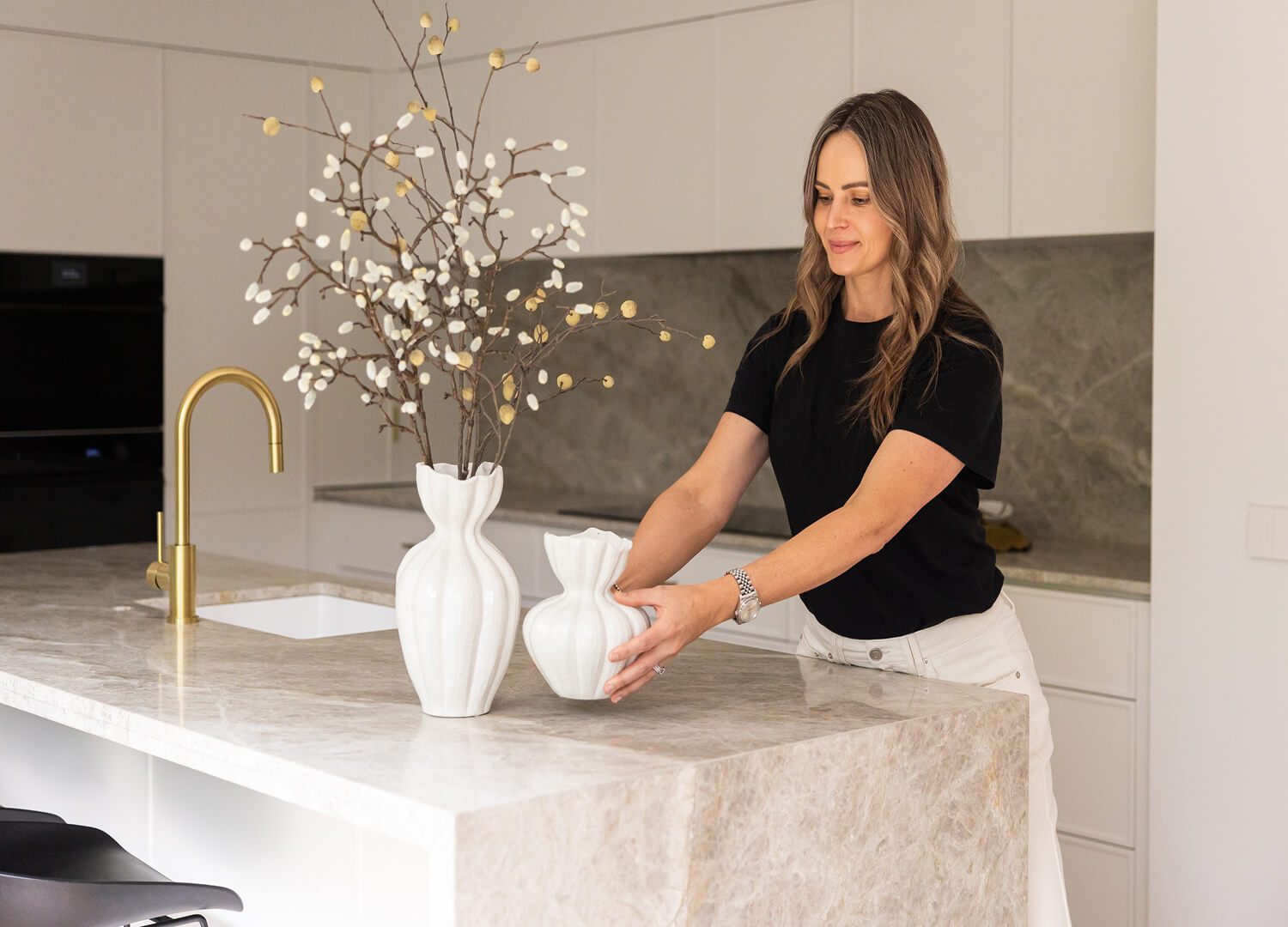
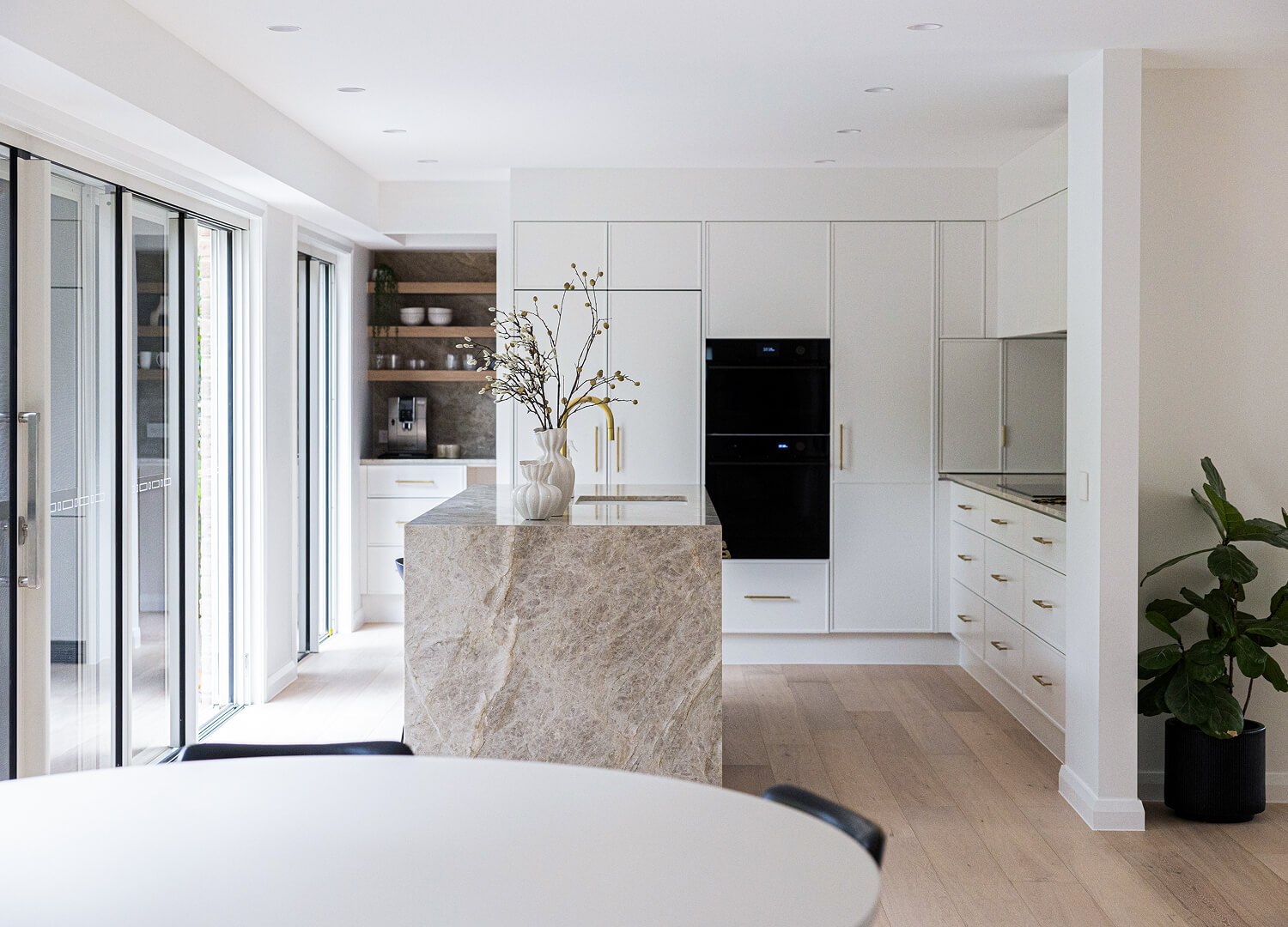
Our Ernesta project, a new luxury display home designed in collaboration with NuHaven Homes, was built around a single overarching brief: timelessness. The client’s goal was a home that would age gracefully, looking as considered in a decade as it does on the day it is completed. This is a brief we understand instinctively, and one that maps closely onto the values we bring to our work in Woollahra, where the most admired homes have always derived their authority from enduring quality rather than fashionable novelty.
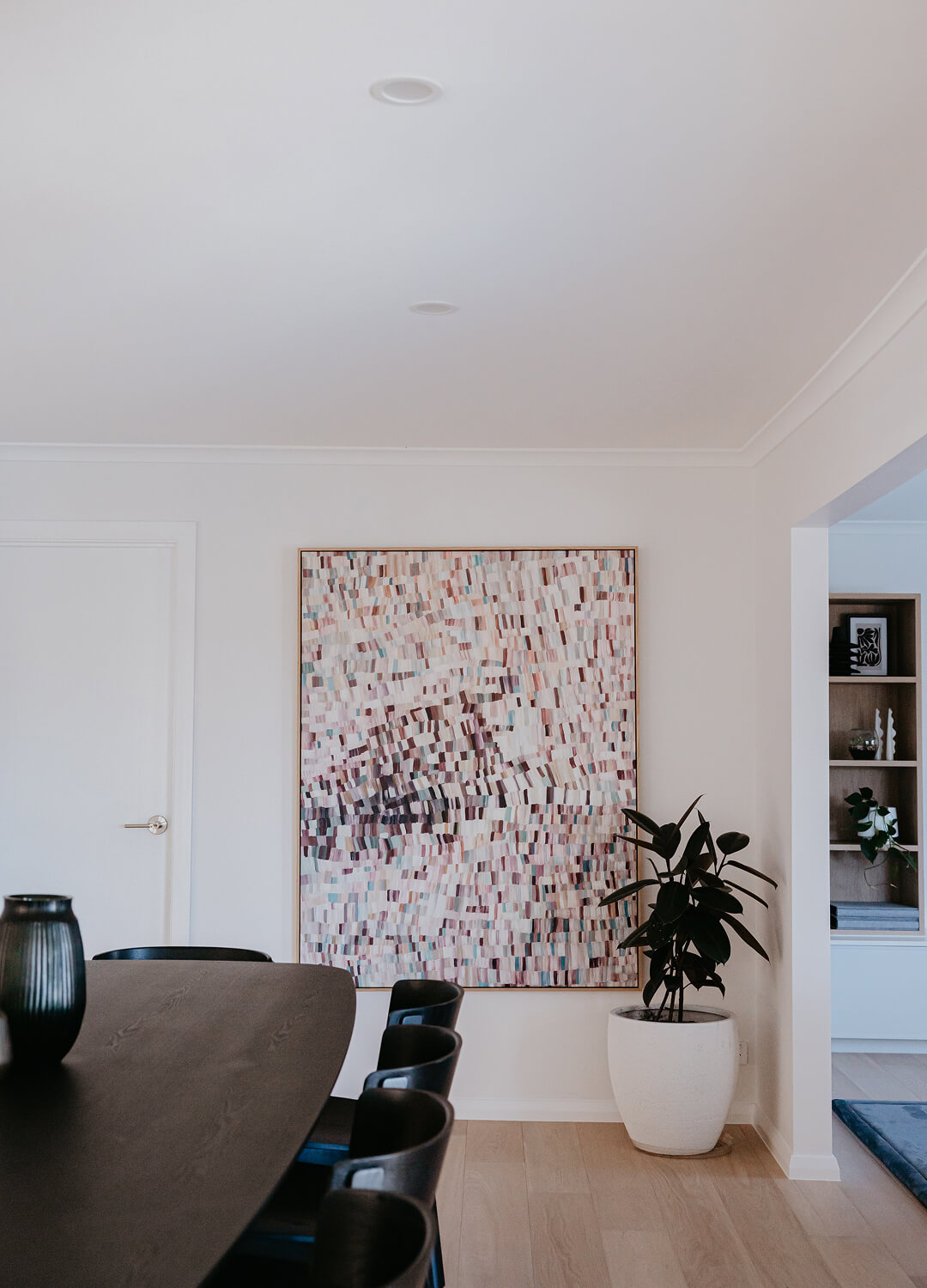
We responded to the Ernesta brief by layering neutral tones and textures throughout, building warmth and sophistication without reaching for anything trend-dependent. The home moves from a sequence of distinct yet visually connected entertaining zones through to a master suite of generous proportions, complete with an ensuite, a dedicated makeup area, and a walk-in robe designed to be genuinely useful, not merely impressive. The result is a home that balances elegance and comfort in a way that feels effortless: exactly the quality Woollahra homeowners seek when they commission a high-end interior designer.


We had the pleasure of Emma doing our interior designing for our home. Throughout the process Emma left no stone unturned, she was detailed, skilled, an incredible eye for design and cohesion. When we first got in touch with Emma we gave her our Pinterest board which had a bunch of random ideas, she was able to figure out our style and designed all aspects of our home to perfection. We had very little critiques or changes to the first designs as she really listened to what we wanted as her clients and designed a beautiful home for us. Emma has exceptional communication skills from being available to answer any questions we had over the phone or in person. She is easy to get along with making the big process of designing your home one that feels enjoyable and fun! Overall Emma is professional, an expert in her field and helped make our house a home. We will definitely be using Emma’s expertise for future properties if we need to design again. Thank you Emma!

Project enquiries
FAQs
This is the central design question in almost every Woollahra project we take on, and there is no single formula for answering it. What we have found is that the most successful outcomes treat the home's existing character not as a constraint to work around but as a design asset to work with.
Federation homes in particular offer generous proportions, quality timber detailing, and a standard of craftsmanship that contemporary builds rarely match. Our role is to amplify those qualities: refreshing the material palette, reconfiguring spaces where the layout no longer serves the way our clients live, and introducing furniture and objects that feel entirely at home in a house of this age and character, without imposing a layer of contemporaneity that reads as foreign.
The majority of Woollahra’s residential stock is Federation-era, ranging from substantial freestanding homes to semi-detached residences on quieter streets. We also work with the suburb’s Victorian terrace houses, its interwar dwellings, and the smaller number of contemporary residences and apartment conversions that have emerged over time. Each typology has its own spatial logic and design opportunities: a Federation home calls for a very different approach from that of a 1930s interwar residence, and our work is always grounded in the specific conditions of the property rather than applied as a standard formula.
Heritage overlays in Woollahra affect a significant proportion of the residential stock, and navigating them well is part of what we do. We understand that heritage requirements bear most heavily on external modifications, but we also respect the internal integrity of these homes and rarely propose changes that would diminish their original character. Where council approval is required, we prepare thorough documentation and work alongside heritage consultants to ensure the process is straightforward. In our experience, the constraints of heritage work rarely limit design quality; they tend to focus design thinking in ways that produce more considered and ultimately better outcomes.
A Wilbur Jones project in Woollahra begins with a thorough read of the property, taking in its heritage context, architectural character, and the way it sits within its garden and street. We then work closely with clients to understand how they live, what they value, and what they want to feel when they walk through the front door.
From that foundation, we develop a complete interior design scheme covering spatial planning, material and finish specification, bespoke joinery design, furniture curation, and, where required, end-to-end project management through to final styling. Heritage overlay compliance and coordination with architects, heritage consultants, and builders is part of our standard process for the majority of Woollahra projects.